
 ROSE BRAND
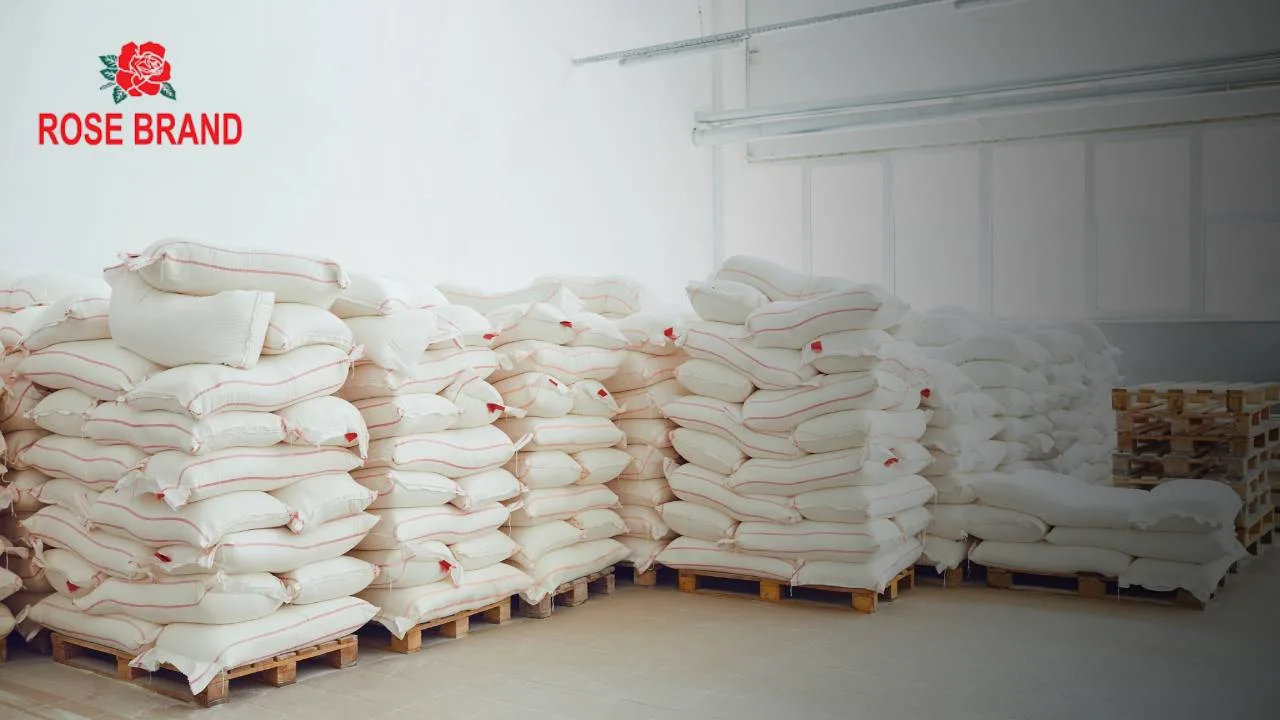
Saving raw materials on a large scale is not just about space, but also about maintaining quality. In the world of culinary effort as well as food production, flour becomes one of the main ingredients that are mandatory in large quantities. However, without proper management, the stock of flour is at risk of malfunctioning like moldy, clucking, until there are lice.
These problems often occur in all kinds of flour, from flour, tapioca flour to seasoning. Especially when the package is opened and not directly used up, the potential for contamination is higher.
Therefore, understanding the tips of storing flour correctly is an important step towards keeping the quality of raw materials optimal. Listen to the full tip in the article below!
How to save the Surround properly
Here's a complete guide that can be applied to maintain quality of flour in the short and long term. Among them:
1. Use an airtight container
The first necessary step is moving flour from the original sack or paper into an airtight container. Plastic-grade food containers or glass are highly recommended because it protects flour from moisture and insects.
2. Keep it in Fridge or Freezer
For storage needs over 6 months, refrigerator or freezer will be the best option. Cold temperatures can slow the growth of microorganisms and prevent the emergence of lice. The flour flour can last even 1-2 years if it's stored this way.
3. Use Big Container for Business Scale
On an industrial scale or effort, the use of large containers of plastic food grade is highly recommended. It holds a large sack of flour, as well as protecting itself from pests like rats.
4. Separate By Floating Type
Each type of flour has a characteristic of different scents and properties. Therefore, storage must be separated so that there are no contaminants of smell or quality. Rice flour, wheat flour, and tapioca flour should be placed in separate containers.
Tips Preventing Geek and Stink
Bug problems became one of the main reasons why it is important to apply tips to properly store flour.
1. Start Freezing
Soon after buying flour, put it in the freezer for 1 -2 days. It's effective to kill eggs or insect larvae that might already be in the pack.
2. Use Oxygen Absorption
For long-term storage, oxygen absorber can be used inside an airtight container. This technology helps reduce oxygen levels so that pests can't survive.
3. Use natural material
Adding saline leaves or dried orange leaves into storage can be a natural solution for driving out lice. The typical scent of the leaves was proved unliked by insects.
4. Apply FIFO or FEFO Systems
Stock management determines the quality of the raw materials. Use FIFO (First In, First Out) or FEFO (First Expired, First Out) methods to make the flour last longer or it's almost expired first. Don't forget to label the purchase date and open dates on each container.
Ideal Storage Condition
The storage environment has a huge impact on the durability of flour. Therefore, understanding the ideal condition becomes an important part of the meal saving tips.
1. Keep it in the Hot and Dark Place
A direct exposure of sunlight can ruin the quality of flour. The ideal storage temperature is below 21 ° C to keep the conditions stable and not to speed up the damage.
2. Make sure The Dry Keep Area
The muddy environment is a major factor of why flour is cluttered and moldy. Make sure the warehouse or storage room has good air circulation and is free of high humidity.
3. Use the right shelf
The choice of shelves also affects the quality of storage. Avoid the use of wooden shelves because it's easy to absorb moisture and it's vulnerable to termites. In alternative, use stainless steel shelves or thick plastic that are more resistant to water and pests.
Conclusion
Keeping the quality of large flour requires special attention to methods and storage conditions. By applying tips saving flour such as using airtight containers, keeping temperature and moisture, as well as applying a good stock management system, risk damage can be minimized.
Simple attempts like early freezing, natural materials, until the proper shelf selection proved effective in keeping flour fresh, free of fleas, and not moldy. As such, the quality of the product remains awake, both for household and large-scale effort.