
 ROSE BRAND
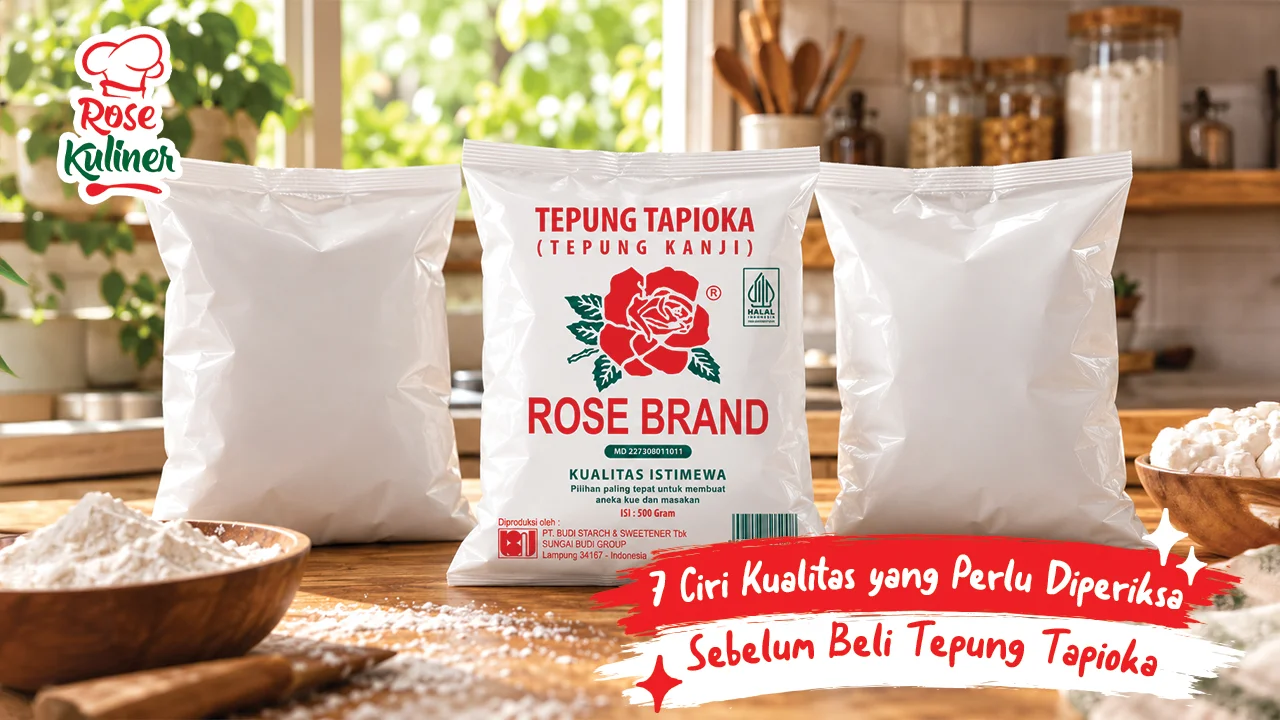
it is important to understand that the quality of tapioca can be judged from packaging to when flour is touched and dissolved.
Many new people realize the quality of tapioca flour after the dough fails to expand or the cake tastes hard and smells musty. In fact, most of the problems can be prevented by just checking the pre-bought and used flour. The good tapioca and the bad ones look similar in packs, but the cooking can be very different.
This article talks about the complete fine tapioca traits, from color, texture, to smell, with the difference from other flour, how to save for lasting, and the help of choosing the right brand. That way, you don't have to shoot anymore and you can just pick the flour that really supports the produce.
What is Tapoka Flour
The tapioca flour is the starch from the tapioca. The main function is to be a texture-tester and a bender, so it's often the key to a lot of market food and traditional Nusantara cookies. Because it's almost entirely pure starch, it's got a very sticky and very typical chewy power when exposed to heat.
In different areas, tapioca flour is known for a number of names that often confuse. Here's some mention that refers to the same material or very similar:
- Surround kanji: Another most common name for tapioca flour in many Indonesian kitchen.
- Aci flour: Sunda's typical name for tapioca flour, often appears in food names such as Cireng and Cimol.
- Surround the cassava.
Tapoka flour made of What
The tapioca flour is made of tapioca. The process starts with peeling and scrubbing the cashmere, then squeezing and cramming the cider. This is what you used to eat.
On industrial scale production, the entire stage was done hygienically with modern technology so that water levels, hygiene, and subtlety of flour are more maintained. It's this controlled process that separates quality flour from just the way flour is produced. The cleaner the process of widening and drying, the more white and neutral the flour produced.
Nice tapioca flour
Before entering the list, it was important to understand that the tapioca quality could be judged from packaging to when flour was touched and dissolved. Here's a nice seven-bit tapioca flour and you need to check it before you buy it or put it on:
- Clean white: a quality tapioca is bright and unevenly white, not dull white, motherly, or yellowy that indicates less clean starch.
- Smooth and soft texture: smooth bubbles like talcum powder, not rough and unsandy when rubbed between fingers.
- Dried and unclotted: good flour is parched and decomposed, not muffled or formed hard blobs.
- The neutral scent: only the faint atop, no musty, ugly, sour smell that marks flour is broken.
- It's slippery as a squeeze: pure tapioca gives a slippery sensation and a delicate creak when it's squeezed, a characteristic that distinguishes it from flour.
- Silky lentils without dirty sediment: when dissolved in water, the flour dissolves flat without leaving rough grains, splinters, or dung.
- The packaging of the meeting and the label are clear: the packaging is both sealed, untorn or muffled, and it contains expiration dates and emasculation permits.
Of all the traits above, the scent is the most decisive marker. Colors and textures may look good, but as soon as they smell musty or brittle, they're already unfit to wear however white they may be.
The benefit of Tapoka Flour in Kitchen
The tapioca flour includes a versatile material whose role is difficult to replace in certain foods. Here are the main functions that are most used in the Indonesian kitchen.
The Hefty Texture Giver
This is the most typical of tapioca. This flour provides a texture of chewy and gleaming, which represents the main food of tapioca flour such as Cireng, Cimol, Pecking, Cilok and Bakso. Without tapioca, the food dough would lose its distinctive nature.
Market Jaban Major
Tapioka becomes the backbone of many traditional market food and cake. Ongol-golly, Pepe Lapis, and Cence rely on tapioca to produce soft, chewy, and slightly transparent textures. This role makes a important tapioca in the preservation of the Nusantara culinary.
Master material
Because almost entirely starch, tapioca works as an effective bender for various gravy, sauce and fillings. His nature produced a clear and glossy nudity, so it fits the sweet acid sauce and the Bakpia and the cake.
Mixed ingredients for Extermination
In the fritters, the little tapioca mixed into the flour dough makes the final results crispy and durable for longer. Therefore, many culinary offenders added tapioca to banana fry dough, tofu, or fried chicken flour.
Tapiocao-seating and benefits
The tapioca flour is essentially the source of a carbohydrate of pure starch. The protein content, the fat, and the fibers are very low, so this flour is more a source of energy and textures than a complete nutritional source.
Nevertheless, the tapioca has some practical advantages that make it widely used:
- Gluten-free naturally, so it can be an alternative to those who avoid gluten (https: / / www.sealline.com / nutrition / tapioca).
- It's easy to digest because it's light and simple.
- Neutral flavors, so that doesn't change the taste of cuisine.
- A versatile as a bender and a texture-wetter.
Since its contents are dominated carbohydrates, it's better to have tapioca consumed with other more nutritious ingredients like protein and vegetables. That way, the dishes remain balanced and not only rely on starch as a source of energy.
The difference between Tapioka Flour and Other Flanks
One of the causes of the failure in the kitchen was the exchange of tapioca with other flour that looked similar. Here's the difference of tapioca with some of the most commonly considered flour.
Tapoka and Kanji's flour
Both are actually the same ingredients. Fold kanji (https: / / id.wikipedia.org / wiki / Flapat _ tapioka) is just another name of tapioca flour, same as aci flour. So, if a recipe is asking for kanji flour, you can use tapioca without worrying.
Tapoka and Sagu Flour
It's the most often wrong because the shape and color are similar. The difference is in the raw materials: the tapioca comes from the tangerines, whereas the sago flour comes from the palm tree. The textures are both similar, but sashes tend to be a little more slutty and usually worn on cookies like Bagea and Cheese Sagu.
Tapoka and Maizena Flour
They're both equal, but different sources. Maizena comes from corn, while the tapioca from the cassava. Maizena produces softer and smoother textures, which are suitable for a soup bender and a vla, while the tapioca provides a more chewy and visible result.
Tapoka and Flour Flour
The difference between the two is striking. Wheat comes from wheat and contains gluten that forms the structure of bread and cake, whereas gluten-free tapioca and acts as a tether or climber. They can't replace each other directly without changing the outcome of the dish.
General Error while using Tapoka Surround
Even though it's easy to use, there are some mistakes that often make the product out of a wish-worthy dish. Here are things that should be avoided.
- It's pouring tapioca directly into the hot fluid without being dissolved, so it's clotted and it's hard to dissolve. Use a little cold water first.
- Taking tapioca is equal to wheat and exchanging it just like that, whereas they both play a very different role.
- Oversized so that the dough becomes too hard to see.
- Using flour that's been clotting or smelling because it's considered viable, and its quality is down.
- Kept flour in a muddy place so it quickly clotted and moldy.
_
Proper storage determines saving and tapioca quality. Because the nature of starch is easily absorbing water and smell, this flour needs to be kept dry and closed.
Keep the tapioca in an airtight container and place it somewhere cool, dry, and far away from direct sunlight. Avoid storing it near a stove or a dank area. In good condition, the tapioca can last months without a significant decline in quality.
Notice signs of damage, such as musty or ugly smells, the appearance of hard blobs, color changes, or fleas. Maintain food security (https: / / www.pom.go.id /) flour is important to keep food safe and delicious. If flour has shown such signs, it should not be used.
Select Quality Tapoka Flit
The quality of Tapoka is that which is white, clean, smooth, dry, neutral-scented, and packed together with a clear label. These five things you can check directly and be a simple bar before deciding to buy. The more consistent the quality, the easier it is to get a steady cook.
To ensure such consistency, selecting a brand of trust is helpful. Tepung tapioka Rose Brand could be an easy choice. As a local Indonesian brand with over 45 years of experience, Rose Brand it produces its shell hygientally with modern technology so that color, subtlety, and quality is preserved from packaging to packing. The product is available and it's easy to get, whether it's in stores or through Shopee, Tokopedia, and at Bukalapak, in various packaging sizes from household needs to business scales.
By choosing flour that is consistent quality, you not only save time from failure of cuisine, but also ensure every market, fry, and your homemade traditional cake has a texture that suits expectations.