
 ROSE BRAND
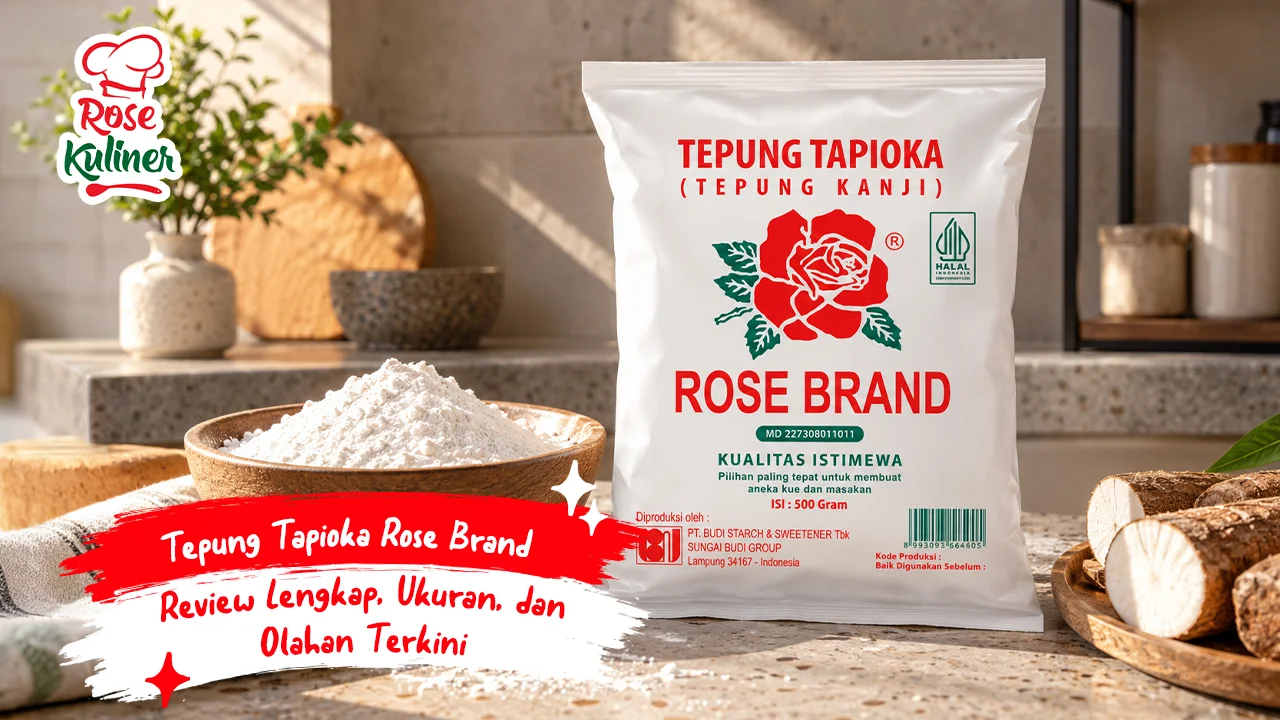
Standing on a cake rack and staring at a white flour line often makes anyone hesitate. Everything looks similar, but the cooking can be different. The most common question is usually simple, whether tapioca flour is equal to canji flour, which size is the most suitable for kitchen needs, and whatever use it can make of it.
This article is discussing Tepung Tapioka Rose Brand overall. From the understanding and the materials, the physical traits that distinguish them from other flour, the selection of household size to business scale, the popular variant, the storage way, to the answer to the question most frequently asked by readers.
What is Tapoka Flour
The tapioca flour is the starch extracted from the tapioca. It's made of clean white smooth powder that functions essentially as a textor of chewy and as a stem in the cuisine. Because it comes from the cassava and not from the wheat, it naturally does not contain gluten.
In Indonesia, this flour is known by some names that actually refer to the same material:
- Kanji Surround: most common names are used in many areas, especially in Java, and refer to materials that are identical to tapioca.
- Aci flour: commonly used names in Western Java region, usually attached to snacks like Cireng and Cilok.
- Surround the pink starch: more technical term, asserting that it was taken away, not all dried-up cassava meat.
And for the record, the casings are intact or known as mocaf flour different from tapioca. Mocaf flour is made from dried-up and eroded cassava all over, while tapioca takes only the water.
Tepung Tapioka Rose Brand Made of What
Tepung Tapioka Rose Brand made from a cassava choice processed into pure starch. The process begins with washing and peeling tuberculosis, followed by demolition until it produces a cassava porridge. This porridge was then squeezed and dyed to separate its shape from fiber and water.
Once it is separated, the starches are squeezed until the water is drained, then drained and ground into dust. The sequence of this process is run hygienically using modern technology, so the produce flour is clean, dry, and consistent from one pack to the next. This consistency is important because Cireng texture, Bakso, or Pépe Lapis cake depends heavily on the water level and subtlety of the starch used.
As a local brand with more than 45 years of history, Rose Brand producing tapioca flour under the cover of the Starch and Sweetener Tbk PT, a long-moving business group in the Indonesian farming industry.
The description Tepung Tapioka Rose Brand
Recognize the good tapioca flour can be done just by looking and touching it. Here are the traits that need to be noticed:
- Color: white is clean and bright, without prying brass or motherly.
- Texture: smooth but slightly sandy and slippery when scrubbed between fingers.
- Beep: Causes a subtle crackling sound when pressed or squeezed in packs.
- Taste and scent: tend to be fresh with a neutral scent, unruly and non-sour.
- Behavioral when cooked: when exposed to hot water, this flour turns to clear, sticky, and thick, and then it produces the texture after cold.
The most distinctive and easy to recognize is the crackling sound when flour is mixed with a slippery sensation when touched. The flour flour doesn't have this character, whereas the rice flour feels more sticky and sandy without the slippery properties.
Useful Tepung Tapioka Rose Brand in the kitchen
This is the most decisive part of why tapestry is always available in the Indonesian kitchen. The function is diverse, and each function produces a different effect on food.
The Hefty Texture Giver
The most popular function of tapioca is to create a typical chewy texture. The flour becomes a mandatory ingredient to meatballs, climates, ciloks, Cireng, and batgor. In meatballs, for example, the tapioca helps the meat dough bind and produces a dense but flexible bite. The ratio of meat and tapioca determines how chewy the outcome is, so the quality of flour determines the consistency of the product.
Market Jackets and Traditional Cake
Tapioka played a big part in the preservation of nusantara markets. Pepe Lapis, Ongol- ongol, Cent, Talam cake, and spit cookies all rely on the tapioca to get some chewy texture and a slightly glossy display. Without tapioca, these cookies will feel solid and dry.
Muff and Sauce Master
When dissolved in cold water and then put in hot gravy, but a nook works fast as a dent. It's often used in capcay, thick soup, sweet acid sauce, and Fuyunghai sprinkles. Her stomach looks a little more clear than flour solution, so the cuisine remains interesting.
The fried pan is crispy
Adding tapioca to a mixture of starch flour makes the fritters crispy and durable the texture. Fried Chicken Feast, Know Krispi, and Pisang Fried Krispy used to use this trick. Because the tapioca absorbs less oil than the wheat, even lighter the fried fruit.
Currently Popular Plain
In addition to the use of classics, the tapioca is now widely used for the food that is being loved. Boba or peari for the quinine made from tapioca formed round and boiled. Cillok Goang, Cireng Contents, and Seblak also became proof that the tapioca-based service continues to grow to follow the taste of the market. For culinary entrepreneurs, this trend opens new product opportunities without the need to replace the main raw materials.
Tapiocao-seating and benefits
The tapioca flour is essentially a pure starch. Its main content is high quantities of carbohydrates, with proteins, fat and very low fiber.
Even so, this flour still has practical benefits in daily diet:
- It's a rapid energy source because the carbohydrates are high.
- Gluten-free naturally, so it suits those who avoid wheat or have gluten intolerance (https: / / www.Healthline.com / nutrition / tapioca).
- It's easily digested and textured, so it's often used in light foods in the stomach.
- It has no dye or extra persa, so the original flavor of cooking remains dominant.
Because it's limited to carbohydrates, but it should be consumed with protein, vegetables, and healthy fat to keep it balanced. The meatballs that contain meat in a portion are, for example, far more nutritious than the meatballs that are dominated by flour.
Load Size Options Tepung Tapioka Rose Brand
One of the advantages Rose Brand it's a complete sequence of packaging sizes, so it can adjust the needs from the kitchen to the industrial scale.
- Small packaging (500 grams): most common household size. Enough to cook a few times a month without eating a lot of storage space.
- It's a big package: it's a match for regular pastry makers, home food vendors, or a big family that cooks market food.
- Business packs (from 50 kilograms and jumbo bags): intended for umkM culinary, catering, and food producers requiring a large amount of steady stock and daily use.
For a businessman, choosing large packages isn't just about numbers. The larger packaging reduces the buying frequency, presses the time spent on procurement, and keeps the consistency of raw materials as it comes from the same production lot. This is a very important consistency for the meatball or Cireng vendor whose product is rated by customers of texture.
List of available products and sizes can be seen directly on the product page Rose Brand. Product is also widely available in marches such as Shopping, Tokopedia, and Bukalpak, as well as at the bake shop and modern retail, so that information of availability and current packaging options can be easily checked.
General Error while using Tapoka Surround
Many of the failures in the kitchen actually come from simple technical mistakes. Here's what happens most often:
- Dissolve the tapioca directly into the hot gravy. The flour will clot right up. Scramble it first with cold water, stir it flat, just pour it a little bit while it's stirring.
- Using tapioca is too much on meatballs. The results have been hard and overwhelming, not chewy. The proportions of meat must remain dominant.
- Assuming the tapioca can replace the wheat for bread. Without gluten, the dough won't expand.
- Raised with a spoon without being flattened. Because tapioca is easily combed, the measure becomes inaccurate. Flatten the surface of the spoon or use the scales.
- Adding tapioca when the cooking is too ripe. It's better to put it in at the end, then cook for a while until the gravy turns clear.
- Kept the packages open in open condition. Tapioka is easy to absorb water vapor and smell from its surroundings.
How to Save Tepung Tapioka Rose Brand
The tapioca flour is a lasting ingredient, provided it's stored properly. The key is keeping it dry.
Save the flour in an airtight container after it opens, then place it in a cool, dry place, and avoid direct sunlight. Avoid storing it near the stove, the sink, or the humid area. Don't keep it as close to strong odors as onions, irons, or spices, because tapioca is easily absorbing the smell.
In good storage conditions, tapioca flour can last long enough, generally until the expiration date is listed in packaging. Even so, keep checking her condition before using it. The sign of flour is not worth using between the appearance of a hard blob that is not crushed when pressed, the discoloration becomes dull or yeast, musty scent, and the presence of insects or small insects. This safe food storage practice is consistent with the suggestion of food safety (https: / / kekes.go.id /) which emphasizes the importance of closed containers and dry environments.
Select Quality Tapoka Flit
The quality tapioca flour can be recognized by some things. The color is white and unscratched, the texture is smooth and dry, it doesn't clot, it smells neutral, and the packaging is sealed and it contains the information of the manufacturer, the composition, and the expiration date.
This is where brand choices come in. Tepung Tapioka Rose Brand it's humanized with modern technology, so it produces clean, smooth, consistent flour over time. As a local brand that has been present for over 45 years, Rose Brand understand the characters of Indonesian cuisine and the needs of Nusantara kitchen, from market service to skirmish. The product is also complete, including all kinds of flour and other kitchen materials, with packaging sizes that reach household needs to the industrial scale.
The consistency of the raw materials ultimately affects the final result. For housewives, it means a perfectly chewy cake and crispy Cireng outside and soft inside. For a businessman, it's the same product that's always felt day by day, and that's what makes the customers come back.