
 ROSE BRAND
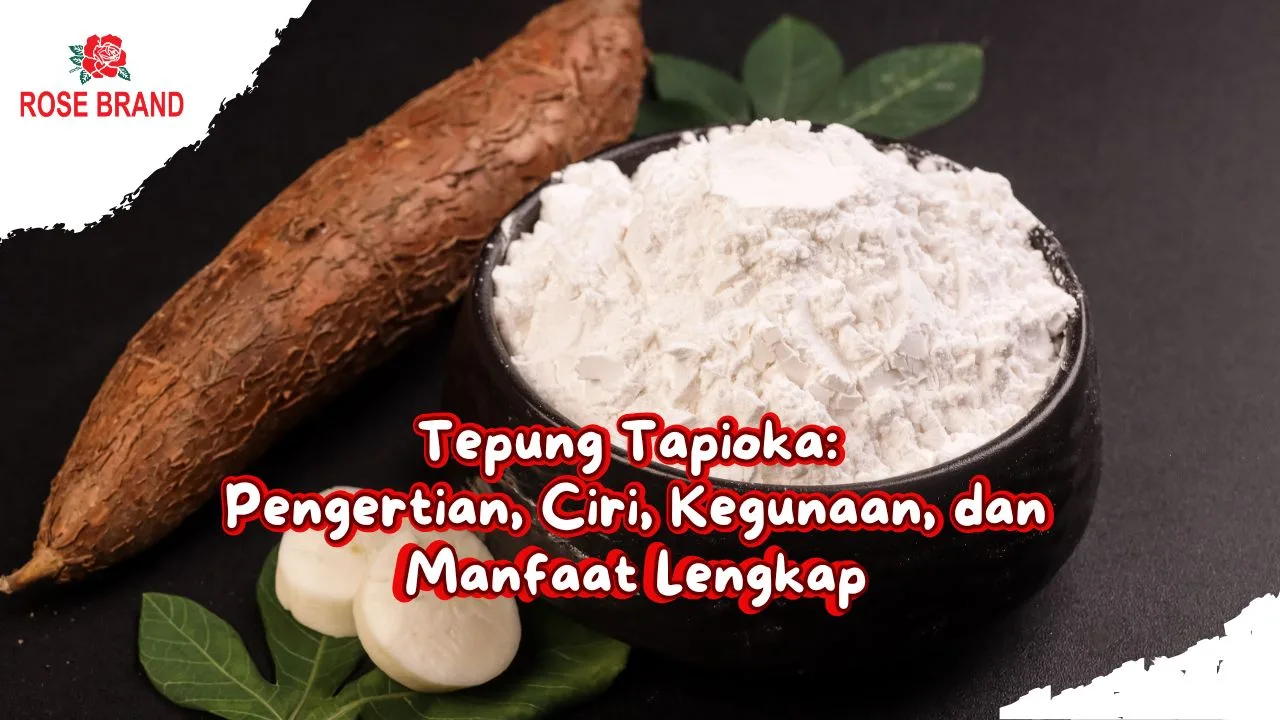
Many are still confused when standing on a cake rack in a market or supermarket. There's tapioca flour, starch flour, sago flour, and maize flour that looks the same, same as white and smooth. Finally some people are wondering whether all four are the same, and which flour is actually needed to make a chewy cillop, a compact meatball, or a crispy fry.
This article talks about tapioca flour completely from understanding, the origin of materials, the physical traits, the use of the kitchen, the content and the benefits, to the difference between the other flour which is often considered twins. The goal is simple, so that you no longer pick the wrong flour and the food is always as expected.
What is Tapoka Flour
The tapioca flour is the extracted starch of the Singuine Umi. The piece that was taken was not the fiber, but the content of the body, so the texture was very smooth, light, and almost without taste. Because it's almost pure starch, tapioca flour acts as a tinkling material and a flexible texture, not as a source of taste.
In Indonesia, this flour is known by many names that actually refer to the same material or very similar. Some people call it canji flour, some call it aci flour, especially in Western Java. These different names often confuse buyers, when in the kitchen they're almost identical.
- The tapioca flour: the starch of the delicate cassava has a chewy effect.
- Surround the kanji: another common name for tapioca flour.
- Aci flour: regional terms, especially in Java West, which also refer to cassava starch.
It's one of the most important carbohydrates in many tropical countries. You can read the background of this plant further through general encyclopedia like the tapioca page on Wikipedia (https: / / id.wikipedia.org / wiki / Tapoka).
Tapoka flour made of What
The tapioca flour comes from the cassava, or in the scientific language of the escupathy Manihot. The process starts with a peeling, washed, then sharpened and squeezed to separate the blade from the fibers and water. The pati that settles later dried and melted until it became the white dust we know as tapioca flour.
Because only taking the starch, tapioca flour practically doesn't contain rough fibers and doesn't contain gluten. This is why the texture was so soft and slippery when it was hit. The hygienic process of modern production also ensures the color of flour remains clean white and free of excrement, so it's safe to use for any kind of food.
The description of Tapoka Flour
Knowing tapioca flour would be helpful, especially if the package had been moved to another container at home. Here are the most easily recognized traits:
- Color: Clean white, sometimes a little shiny.
- Texture: so smooth and slippery, it creaks when it's held and pressed between the fingers.
- Taste: almost nothing because it's almost entirely starry.
- Moist power: it's sticky and sticky when it's wet, then it turns chewy when heated.
- The reaction when cooked: it thickens and becomes clear when exposed to heat and fluid.
The most typical of tapioca flour is the sensation of crackling or creaking when squeezed in dry. This sensation is different from wheat flour that tastes softer like powder, and from rice flour that tastes more rough sand.
The benefit of Tapoka Flour in Kitchen
This is the most important part for a lot of people, because the question of tapioca flour is for what is among the most common. The tapioca flour has a huge role in Indonesian cuisine, especially to produce the chewy and crispy texture that's hard to come by from other flour.
The Hefty Texture Giver
The tapioca flour is the key to chewy texture in many favorite snacks and snacks. Without this flour, the results will be mushy or fragile.
- Cillok, Cireng, and Cimol: rely on tapioca for the typical texture of chewy.
- Meatballs: tapioca helps the dough to be compact and chewy.
- Pronunciation and Cendol: giving the truth is the primary characteristic of these two foods.
- Boba or Pearl: The chewy balls on the drinks are also made of tapioca.
Crispy Fried Creator
Mixing a little tapioca flour into fried dough makes the results crispy and durable, not soft as it gets cold. A lot of fried salesmen and crispy chickens use this trick to keep their cool.
Master material
Because it quickly thickens and produces clear display, tapioca flour is often used to cancel sauce, fillings, or gravy without making it murky. The end results seem to be more dazzle and arouse.
Market Jaban Major
A lot of traditional cake and nusantara markets like Ongol-ongol, layered pastries, and peels use tapioca flour for soft, chewy textures. This is where tapioca flour plays the role of maintaining traditional culinary sustainability in Indonesia.
If you want to try a recipe with tapioca flour with consistent results, use quality flour like tepung tapioka Rose Brand the texture is delicate and stable when cooked.
Tapiocao-seating and benefits
The benefits of tapioca flour are closely linked to its contents. As pure starch from the cassava, tapioca flour is dominated by carbohydrates and lower components such as proteins and fat. In general measure, tapioca flour gives a pretty high energy due to solid carbohydrates.
Here are some benefits and advantages of tapioca flour:
- Rapid energy source: the carbohydrates are easy to digest and power.
- Gluten-free: suitable for people who experience gluten-free diet or have a sensitivity to gluten.
- It's easy to digest: the texture is soft so it's light in the digestion for some.
- Serbaguna: it can be used for chewy, crispy fritters, to the stickers.
Keep in mind that high tapioca flour is carbohydrates and low fibers and proteins, so it should be consumed equally with other nutritious materials like eggs, meat, vegetables and beans. For more complete nutrition information, you can refer to the taphoric nutritional database of USDA FoodData Central (https: / / fdc.na.usda.gov /) or review of the tyacao benefits of Healthline (https: / / www.healthline.com / nutroca / tapioca).
The difference between Tapioka Flour and Other Flanks
Many people ask whether tapioca flour is equal to starch, sagu, maizene, or rice flour. Understanding the difference will help you choose the right flour and avoid failure while cooking.
Tapoka and Kanji's flour
The tapioca flour and canji flour are essentially the same material, which is the starch of the cassava. The only difference is the flushing, where canji flour is more common in a day's language, whereas tapioca flour is more often on the package. Both can replace each other without problems.
Tapoka and Sagu Flour
The tapioca flour comes from the cassava, whereas the saguan flour comes from the palm of the tree (https: / / id.wikipedia.org / wiki / sagu). They both produce the same texture, but not always identical. In certain recipes such as the prospect, some people differentiate between the two, even in many home dishes, both are often used in turns.
Tapoka and Maizena Flour
Maizene flour comes from the starch of corn, not the cassava. Although equally white and acts as a dent, the outcome is different. Maizena tends to give the texture softer and creamy, while the tapioca gives them a chewy and warped effect. Therefore both can't always replace each other.
Tapoka and Rice Flour
The rice flour is made of fine ground rice and the texture feels more sandy. Rice flour doesn't have a chewy effect like tapioca, but it's a denser, crispy texture. They both have different roles in the market food recipe.
To compare the different kinds of flour and its use, you can also explore the variety of available flour products to make it easier to choose according to the recipe.
General Error while using Tapoka Surround
In order for the cook to always be maximum, avoid any mistakes that happen often following.
- Wrong thought all white flour was the same: tapioca, maizene, and rice flour had different results.
- Using too much tapioca: dough can be too hard and firm, not a fitting chewy.
- Not dissolving correctly: but it better be dissolved in a little cold water before it gets into the hot fluid so it doesn't clot.
- Keeping it in a dampers: dampening flour is easy to clot and risk moldy.
_
The correct storage keeps the quality of tapioca flour in good time. Keep the flour in a sealed container and place it in dry and cold, away from direct sunlight. Avoid storing flour near a water source or a muddy area like near a sink. The practice of this storage is in line with the Ministry of Health's safety advocates.
A well-stored tapioca flour can last months without losing quality. Always check the scent before using it. If there's a musty smell or there's a discoloration and a hard blob, it better not be used again.
Select Quality Tapoka Flit
The quality of flour affects the end of the dish. Good tapioca flour is clean white, smooth, dry, not clotted, and it smells musty. Selecting trusted brands helps ensure consistent qualities in each use.
Rose Brand it's a local Indonesian food brand that has been present for over 45 years and is known to support the culinary preservation of nusantara. Product tepung tapioka Rose Brand it's a hygienic process with modern technology, available in various packaging sizes from household needs to entrepreneurial scale, and it's easy to get through Shopies, Tokopedia, and Bukapak. With quality flour, the result of Cillok, Bakso, Fried, and your homemade market jawed, crispy, and satisfactory.