
 ROSE BRAND
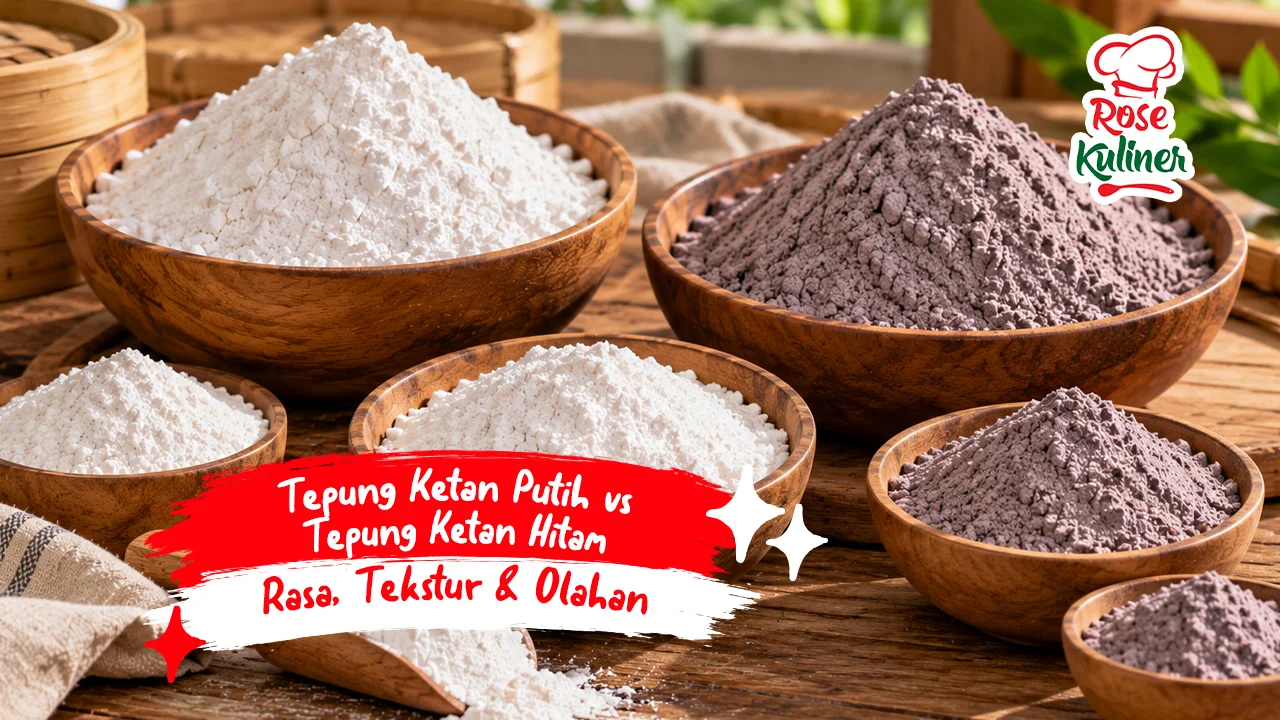
Many think white glutinous flour and black glutinous flour are only different colors, but both produce a very different flavor, scent and texture. When it's wrong to choose, the fruit of the cake can miss hope. The onde- onde that should be soft chewy can be less legit, while the black glutinous bullet is targeted because its distinctive colour is pale because it wears the wrong flour.
This article talks about the complete difference between white glutinous flour and black glutinous flour, starting with the raw materials, the circuses, the taste, the texture, to the type of ground that's best suited to each other. In the end there is also a guide to select quality glutinous flour so that your food is always consistent.
What is that Sticky Flour
Sticky flour is flour made from sticky rice, which is the kind of rice that has a sticky starch higher than regular rice. It's this sticky character that makes glutinous flour the main ingredient of market food and traditional Nusantara cakes that are textured.
In general, sticky flour comes in two major variants that are often compared to:
- White sticky flour: made from white glutinous rice, clean white, and mostly used for traditional cake.
- Black glutinous flour: made from black sticky rice, purplish to purple, with a more distinctive scent and flavor.
They're both as sticky as they are ripe, but they come from a different kind of glutinous rice so the characters end up being different.
What is the sticky sticky rice
White glutinous flour is made of soaked white sticky rice, then diluted, mildly ground, then dried up into flour. It produces clean white flour with a delicate and delicate texture.
Black sticky flour is made in a similar way, only the ingredients are black glutinous rice. The skin of the black rice rice skin contains natural pigment of anthosianine that gives out deep purple and richer flavors. Therefore, black glutinous flour is usually still showing smooth spots of the skin of rice that are grinding.
In products that are processed hygienically with modern technology, glutinous flour is eroded up to really smooth and poop-free, so it's safer and more consistent when it's cooking. The quality of this mill really affects the end result of the dough.
The description of the White Sticky Flour and Black Sticky Flour
Before buying, it's good to recognize the traits of each meal so it doesn't get switched. Here's a difference most easily recognized.
The description of white glutinous flour:
- White is clean, like rice flour but more sticky when wet.
- The texture is delicate and a little slippery when struck.
- It's neutral and it tends to be palatable, so it's easily mixed with a variety of fillings.
- When ripe, it produces chewy, and legit texture.
The description of black glutinous flour:
- The purplish color to the blackish purple, sometimes with a smooth speck of rice leather.
- Smooth texture but slightly more violent than white rice.
- The scent is more fragrant and distinctive, with a slightly more savory flavor.
- Generates purple natural colors on the cake without needing extra dye.
The most distinctive traits that distinguish both clearly lie in color. But keep in mind, the purple color of black sticky rice comes from natural pigment, not from a mixture of white sticky with dye.
The use of sticky rice in the kitchen
Sticky flour has an important role in the traditional world of market food and cake. It's a lot of use, but white glutinous flour and black glutinous flour have its own territory.
Major Traditional Cake material
White sticky flour is the backbone of many traditional cakes. Some examples of popular white glutinous flour between others Ondeonde, Klepon, my cake, Wingko, Senglukun, and Mochi. All of these cookies rely on the typical chewy texture of glutinous rice as their main attraction.
Black sticky sticky sticky rice is more often used as a pastry and a scent, such as Black Sticky Ballu, Black Sticky Tape, and a steamed cake. Steamed Black Satan's Bolu has even become one of the most sought after by its beautiful colour and its distinctive taste.
The Hefty Texture Giver
Another important benefit of glutinous flour is having chewy effects and looking at the dough. A little bit of sticky flour in a certain cake can make the texture more legit and not hard. This character is difficult to replace by ordinary rice flour and flour.
Cap and Criuk Snacks
Besides wet cakes, sticky rice flour is also used to make snacks. There's a lot of chrysanthemums out there that are crispy but still chewy inside, like sticky dried rice cakes, chips, and traditional fried cakes. For daily needs, many rely Tepung Ketan Rose Brand because the dough is stable and malleable.
Solitude and Perpetual Flour Utilities
As a material of sticky rice, glutinous flour is dominated by carbohydrates that are a source of energy. The topside is high, especially amilopectin, which is what makes the texture sticky and chewy when it's ripe.
Some benefits and important points of glutinous flour:
- It's a source of energy because it's full of complex carbs.
- It's naturally gluten-free, so it can be an alternative to those who avoid gluten.
- Black sticky rice contains antosianine, a natural antioxidant compound that gives purple color, as explained about black glutinous rice (https: / / id.wikipedia.org / wiki / Black _ sticky) and its pigments.
- Gives you longer taste than flour with low starch.
Nevertheless, due to high carbohidrac content, glutinous flour consumption should be balanced with other nutritious sources such as proteins and fibers. Information about the nutritious profile of the rice and its product can be seen on USDA FoodData Central database (https: / / fdc.na.usda.gov /) as a reference.
The difference between sticky flour and another flour
Sticky rice flour is swapped with another type of flour because it looks similar. Here's a difference that needs to be understood so we don't get it wrong.
Rice Flour vs. Feast
This is the most common mistake. Rice flour is made from ordinary rice and produces a more fragile, gentle, not sticky texture. Sticky sticky flour is made of sticky rice and produces chewy texture and look. Therefore, a cake like Klepon that relies on reality cannot be made only with rice flour. The difference in the raw materials can be traced further through the explanation of glutinous rice (https: / / id.wikipedia.org / wiki / Sticks).
White sticky flour versus black sticky flour
They're both glutinous flour, but they come from different kinds of rice. White rice flour with neutral taste, suitable for cake that requires filler or extra color. A thick, black, purple sticky flour with a stronger scent, ideal for a cake that wants to bring color and natural taste. From the end of the texture, they're both just as chewy, but black sticky feels a little bit denser.
Tapoka Flour
Sticky flour and tapestry equal produce chewy texture, but different ingredients. The tapioca flour is made out of cassava and is more often used as a tinker or a cilok and a finite ingredient, whereas glutinous flour is made of sticky rice and is the main ingredient of traditional cake. They can't replace each other completely because character feels different.
General Error while Using Sticky Flour
Although it seems simple, the use of glutinous flour often finds obstacles. Here are some mistakes that need to be avoided:
- Traded glutinous flour with rice flour because it thought they were the same, so the texture of the cake failed to chewy.
- To pour too much water at once, make the dough too mushy and difficult to form.
- No sticky sticky rice on a specific recipe, but some cookies need some grazed flour to wear off.
- It keeps flour in a muddy place so it clots and smells musty.
- Using low-quality black glutinous flour, so the purple color on the cake lacks out.
How to Save Sticky Flour
For the quality of glutinous flour to stay awake, the exact storage is crucial. The flour stored carelessly absorbs the smell and dampness.
Keep the glutinous flour in an airtight container and place it in dry and cool, away from direct sunlight. Avoid storing flour near sharpened smelling material because flour absorbs the scent easily. Watch the expiration date of the pack and make sure there's no sign of fleas or blobs. General guide on the safety of food storage can be read through information from BPOM (https: / / www.pom.go.id /) as reference. Testy-smelling flour or discoloration should no longer be used.
Select Quality Sticky Flour
The quality of glutinous flour determines the outcome of the cake. Good sticky sticky rice has clean and evenly color, fine texture, fresh scent without the smell of musty, and free of bug or lump. For black glutinous flour, the natural purple colour becomes a sign of good quality.
As a local Indonesian brand who has been present for over 45 years, Rose Brand it brings to you quality glutinous flour processed hygienically with modern technology. Tepung Ketan Rose Brand it's known to have subtle texture and consistent dough results, so it's suitable for household needs and culiners. With commitment to support the preservation of the Nusantara culinary, Rose Brand it became the best sticky choice to ensure that your traditional cake was always chewy, legit, and successful. It's widely available in the Shopping, Tokopedia and Bukalapak so it's easy to get any time.
By choosing the right glutinous flour, you not only get the texture and the flavor that suits hope, but also keep the native flavors of Indonesian cake sustainable in your kitchen.