
 ROSE BRAND
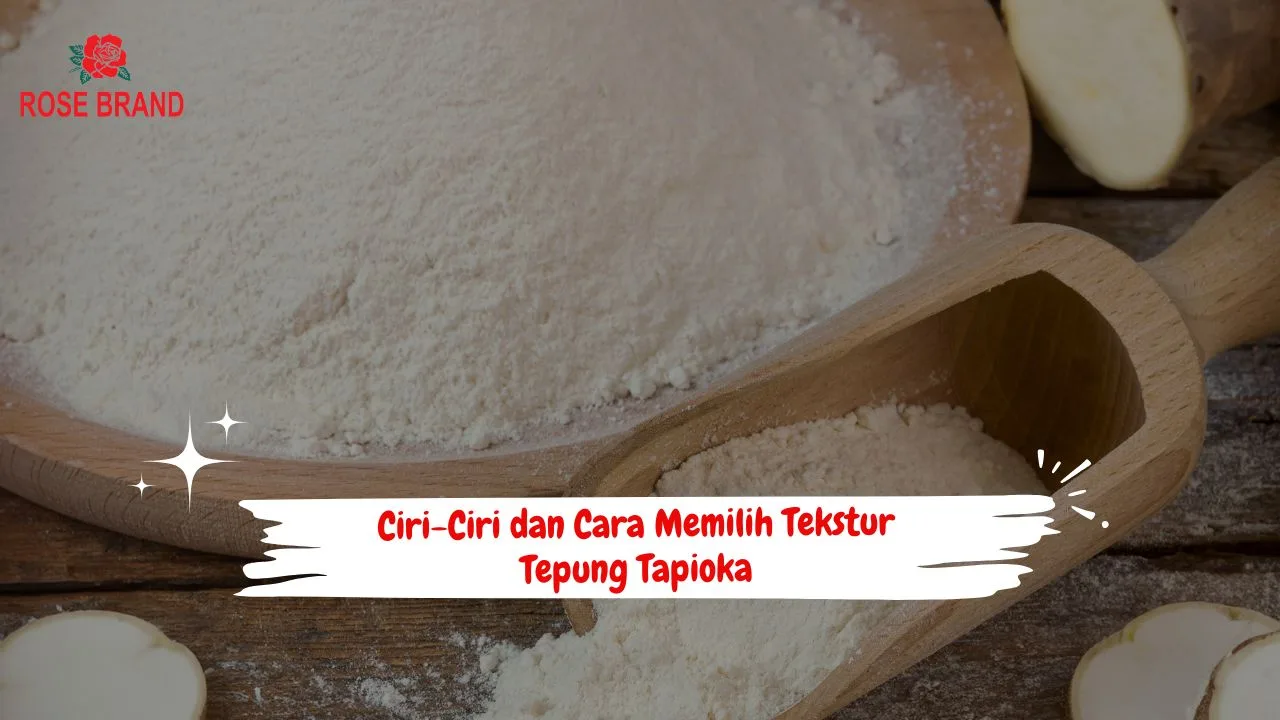
Two bags of tapioca flour can look exactly the same on the shelf, but give a much different result in the frying pan. The circus is supposed to be crispy, the meatballs that are expected to be chewy are hard and pulsating, and the dense climates are turning soft. In most cases, it's not a recipe, it's a texture of flour.
Texture is the most honest clue about the quality of a tapioca flour. From the way it feels on the finger, the way it clots or doesn't, until the way it reacts with water, they all tell you how it's processed and stored. This article talks about what good tapioca flour texture looks like, the traits that signify the quality, the usual mistakes, as well as how to choose the right to the home kitchen or to scale the culinary effort.
What is Tapoka Flour
The tapioca flour is the pure starch extracted from the Singuine umbi (https: / / id.wikipedia.org / wiki _ wood). Contrary to wheat flour containing proteins and gluten, tapioca flour is almost entirely composed of carbohydrates in the form of starch. That's why it's very specific in the kitchen, which is to give the truth, coolness, and thick power, not build the dough structure like wheat.
In Indonesia, this flour is known by several names that often confuse buyers:
- Kanji Surround: Most common names are used in traditional markets and old recipes. Advise on the same material.
- Aci flour: popular names in West Java, which give birth to food like cireng, which is fried acid.
- Tapoca starch: the term listed in export-oriented packaging and industrial products.
All three refer to the same product. Which separates one pack from another is not its name, but it's subtlety, purity and water levels. This is where the texture becomes decisive.
Tapoka flour made of What
The material is fresh cassava. The tiles are peeled, washed, then sharpened or crushed until the fibers and the remains are separated. The tapestry is squeezed and diluted so the starch settles on the bottom, while water, fiber, and waste dregs are thrown away. It's this sediment that is then dried up and ground it into white fine flour.
The quality of the final texture is very determined by three things in this process. First, laundry hygiene, because the fibers and dirt left behind will make flour feel rough and dull. Second, the drying rate, because too high water levels make flour clotting and fast-smelling musty. Third, the subtlety of the mill, which determines whether the flour dissolves smoothly or leaves the pellets in the dough.
The factory that cultivates cancellation is hygienic with modern technology is able to control all three factors consistently. The result of this is a texture of flour, which is a uniform from one pack to the next, and this kind of consistency is precisely the most important need for entrepreneurs.
The description of the good Tapoka Surround
The quality tapioca flour can be recognized before being used, just by looking, groping, and listening to his reaction. Here are the traits that need to be noticed.
- White and clear. Not pale white gray grass, and no brown spots. The dull colors usually signify the rest of the cashmere fibers or a less clean intercept process.
- Smooth pellets and uniforms. When it's grazed and rubbed between the fingers, flour feels soft like powder, without rough grains hanging out.
- It creaks when it's pressed. This is the typical tapioca. When pressed or squeezed, flour makes a gentle creaking sound, like a squeaking. It comes from dry grain rubbing against each other.
- Dry and not sticky. Good flour falls right out of the palm of your hand without sticking or leaving a damp layer.
- No clots. Even if there was a small blob, it was crushed instantly while pressed lightly, not hard and dense.
- Neutral scent. No musty, sour, or shit. Tapoka quality barely scented.
- It forms clear glue when exposed to hot water. When brewed, the tapioca turns into a clear and elastic, not murky and ruptured liquid.
Of all the traits, the creaking of the squeeze is the most typical and the fastest tested marker. This sound at once suggests that the water level is still low, and low water is the foundation of stable chewy power.
Why Texture Defaults Cook
The flour texture isn't just about being held. It determines how starch interacts with water and heat, and that interaction generates food texture.
Sincerity determines the purity of dough
Smooth pests and uniforms will absorb water evenly. It's slippery and malleable. Instead, the rough flour absorbs water unevenly so the dough feels stifling, and the outcome is sand on the tongue. At the market, like a sandwich or a cenil, this kind of flaw is instantly felt.
Water levels determine reality
The dried grain has high absorption power. It is able to bind vast amounts of water and fully expand when heated, resulting in elastic texture. The flour that absorbs water vapor from the air loses some of its absorption power. It's because meatballs are soft and don't bounce when they're bitten.
Purity determines vulnerability
Remaining fibers or proteins from the cassava will impede the formation of crispy layers when fried. Pure tapioca produces a crisp and lasting surface, something that is indispensable to Cireng, Cillok Fried, and crackers.
The benefit of Tapoka Flour in Kitchen
The role of tapioca is different from other flour, and understanding the role makes texture selection even more logical.
#
This is the main function. Tapoka is the material that makes the meatballs bounce, makes Cillok chewy, and makes the denser. For this, the flour must be completely dry to make the water tie maximum.
The main ingredient of market service
A lot of traditional nusantara cakes rely entirely on tapioca, like Cenil, Ongol-ongol, pancake, and peppers. Because tapioca produces a clear and chewy texture when ripe, it determines the appearance of the cake.
Cooler
At Cireng, crackers, and fried flour-plated fries, the tapioca creates crispy, lightweight surfaces. A tapioca mix with a little bit of wheat is often used to gain lasting vulnerability.
Tissue
Tapioka absolves gravy, sauce, and fillings without changing the flavor. His vitals are clear and shiny, different from the maizene that tend to be murky and soft.
For all those uses, tepung tapioka Rose Brand it's available in various packaging sizes, from small packaging to home kitchen to large packaging needs for daily production.
Tapiocao-seating and benefits
Nutritious, tapioca is the source of pure carbohydrates. The protein content is very low, the fat is almost zero, and the weight is minimal. The content of the nutritioner profile of the longkong ten. can be traced through the USDA's FoodData database (https: / / fdc.nas.usda.gov /).
His practical benefits among others:
- Gluten-free naturally, so it's suitable for gluten intolerance and to be an alternative to whine on many recipes.
- A rapid energy source, because of a body-digestive starch.
- It's neutral, so it doesn't interfere with the original flavor of cuisine.
- Easily digested, relative to the hull than high-protein flour.
It needs to be noted honestly that the tapioca is not a complete nutritious source. Since it's carbohydrated, the assumption should be balanced against proteins, vegetables and other nutritional sources to keep the diet balanced.
General Mistake that ruined Textures
Even quality flour can bring bad results if treated wrong. Some of the most common mistakes happen:
- Raised with clotted flour. It makes the measure inaccurate and leaves hard grains in dough. Better first before I do my best.
- Adding an excessive tapioca. Too much tapioca makes meatballs or sprays hard and rumble, not chewy.
- It's brewed with less hot water. Pati tapioka requires enough heat to mature perfectly. Warm water alone produces raw, sticky dough.
- Pour water at once. Adonan's become mobile. Pour them over and over again.
- Change the tapioca to live maizene. These two starch characters are different, and an adjustment without adjustment changes the final texture.
- It uses muddy flour. The absorption of the absorption is down, so the reality of the matter will not be enough.
How to save the Tapoka Surround To keep the texture
Good texture only survives if the storage is correct. The main enemy of the tapioca is air moisture, and Indonesia with its tropical climate makes this risk real every day.
Keep the flour in the airtight container as soon as the packaging is opened. Put it in a cool, dry, and far away from direct sunlight and hot source like a stove. Avoid putting flour in by the sink or areas often exposed to steam.
In a sealed tight and dry condition, tapioca flour can last up to about a year without a significant decline. Unfeasible sign of flour, whether it's musty or sour, an uncrushed hard blob when pressed, changes color to brass or motherly, and of course there are insects or small insects. The safety of the food storage principle can also be learned from the Ministry of Health guide (https: / / www.kekes.go.id /).
For those who store large amounts of flour, use first in first out systems, which stock comes first. Put the sack on the palette, don't just touch the floor, so it doesn't absorb moisture from below.
How to Select Quality Tapoka Flanks
After understanding the good texture, the next step is to implement it while buying. Here's the thing that needs checking out.
Check the packaging first. The packaging must be intact, sealed shut, and not hollow, because even the slightest leak will infuse water vapor. Make sure the production date is new and the expiration date is long. Check also the presence of BPOM edar permits and kosher certification as a guarantee that the product has been through official surveillance.
Notice the display of flour through packaging when possible. It has to be white, clean and evenly, no spots or blobs that look conspicuous. Feel the pack from the outside. The good flour feels free like smooth sand, not solidly clotted.
For business purposes, the extra consideration is the consistency between batches. The texture of the flour that changes from one purchase to the next will force you to adjust the recipe constantly, and that sort of adjustment impacts the standard of taste and waste the raw materials. The brand that is produced with strict quality control will provide a uniform result, and it's the diversity that keeps the customers back.
Here it is Rose Brand to be a viable choice. As a local Indonesian brand who has been present for over 45 years, Rose Brand producing tapioca flour is hygienic with modern technology, so the texture is smooth, dry, and consistent from one pack to the next. The packaging sequence is complete, from housekeeping to large packaging for the scale of business and industry, and the product is widely available in Shopping, Tokopedia, and Bukalapak so stock is easy to keep.
In the end, selecting flour with the right texture means reducing one unnecessary variable in your cuisine.