
 ROSE BRAND
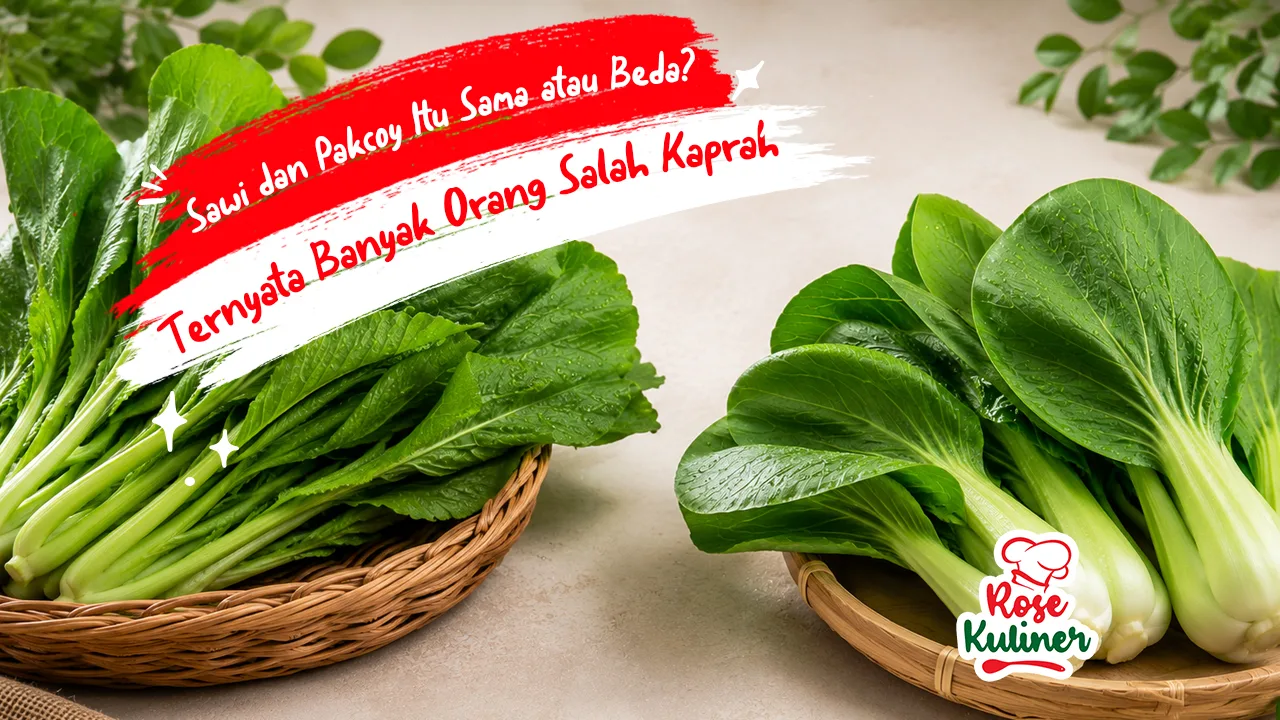
Although at first glance they may seem similar, bok choy and pak choi actually have distinct characteristics in terms of taste, texture, and cooking methods.
Mustard and Pak choi Are the Same or Different? Many People Misunderstand!
Many people often confuse mustard and pak choi. At first glance, both seem similar, both with green leaves and similar shapes.
However, despite their superficial similarities, mustard and pak choi actually have quite different characteristics, both in taste, texture, and ways of cooking.
So, to avoid picking the wrong vegetable when shopping or preparing food at home, let's learn the differences between mustard and pak choi below.
Differences Between Mustard and Pak choi
Understanding the differences between mustard and pak choi can help you choose the most suitable vegetable for your needs. Below is a complete explanation to avoid picking the wrong vegetable when cooking at home.
1. Leaf and Stem Shape
The first thing you can notice is their appearance. Mustard has broad leaves with a slightly rough texture and thick, watery stems. On the other hand, pak choi has smaller, smoother, and slender leaves with white to green stems that remain crunchy. This feature can be an easy guide when choosing vegetables at the market.
2. Taste Difference
Another difference between mustard and pak choi is their taste. Mustard has a slightly bitter taste that can be quite strong on the tongue. That's why this type of vegetable is usually cooked with richer seasonings, such as spicy stir-fry or rich soups, to reduce the bitterness.
While pak choi has a milder, slightly sweet taste. Its fresh taste is suitable for those who don't like bitter vegetables. Pak choi is often used in soups, stir-fries, or light soups because it easily absorbs seasonings without changing its natural vegetable taste.
3. Texture and Nutritional Content
When cooked, mustard tends to wilt quickly and release a lot of water. In contrast, pak choi remains crunchy even after cooking. Nutritiously, both are rich in vitamins A, C, and K, as well as dietary fiber that aids digestion. However, pak choi is superior in calcium and iron content, which are important for bone and blood health.
Although often considered the same, mustard and pak choi are two different types of vegetables. Both are still healthy and can be a good choice for daily meals. So, after knowing their differences, you can easily determine which one is suitable for each recipe.
Frequently Asked Questions About Mustard and Pak choi
1. How long is the ideal time to boil pak choi?
The best time to boil pak choi is 1-2 minutes. This ensures it remains crunchy and has a bright green color. Cooking it too long will make the color dull and reduce its nutritional content.
2. Are mustard and pak choi the same?
No, they are not. Although they belong to the same family, mustard and pak choi have different tastes, shapes, and nutritional content.