
 ROSE BRAND
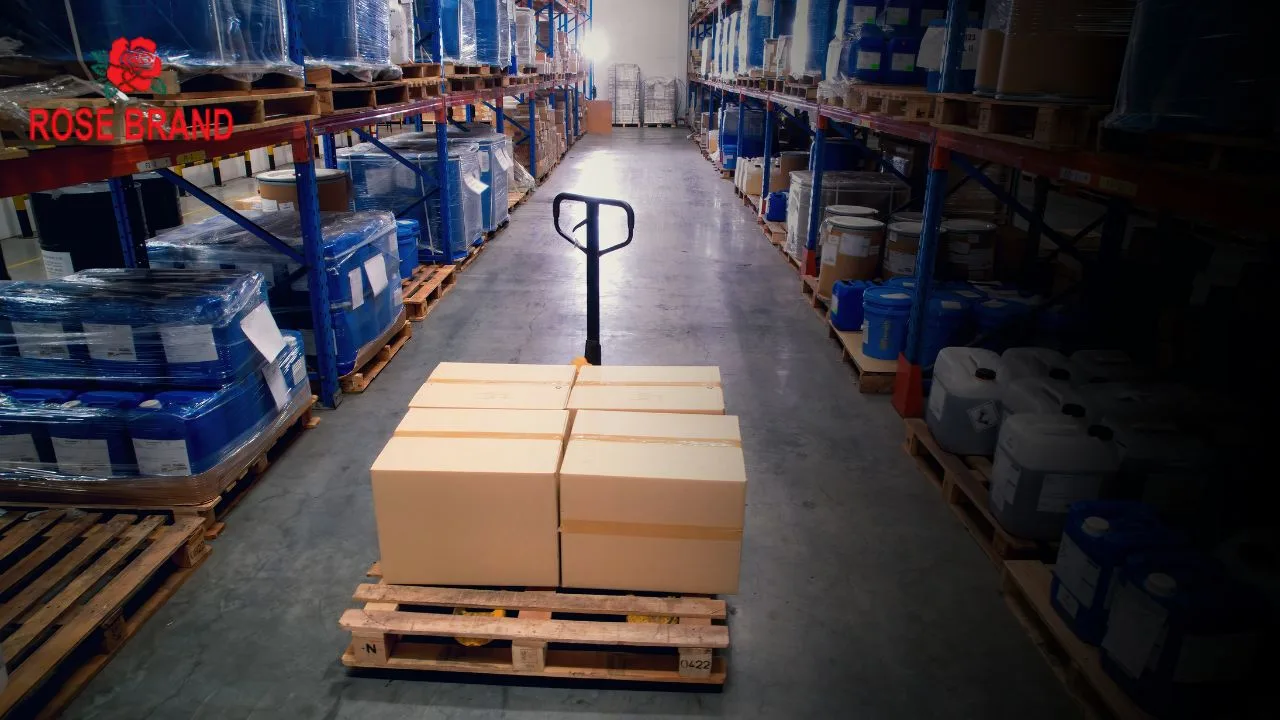
Choosing the right source of raw materials is a crucial step towards food survival. Each kind of business, from UMKM to the big industry, has different needs related to volume, quality and continuity supply.
The question that comes up often is: should we work with the Food Supporter, Suppliers, producers, or even directly to the factory? This article will discuss differences, excess, and strategy for choosing the source of the raw material so that your efforts are more efficient and more evolved.
Understanding Distributor, Supplier, Producers, and Factory Distributors · Global Voices
Knowing the role difference in the supply chain is the first step to choosing the one that suits the business.
1. Food Cook Distributor
Distributors buy products from producers or suppliers and channel them to retailers or other businesses. The benefits of working with distributors among others:
- Flexibility of order number: Match for UMKM that requires small or medium batches.
- Stock stability: Distributors usually have enough to meet regular needs.
- Additional services: Some distributors offer regular delivery, product consulting, and competitive price packages.
2. Supplier (supplier)
Supplier usually provides raw raw materials directly to producers or other businesses to be processed. The main focus of suppliers is the original ingredient, not the product distribution so. The advantage:
- Raw materials tend to be lower than distributors.
- Control is greater to the quality of the material as it buys directly from the source.
- Ideal for a business that wants to process its own products of raw materials.
3. Producer
Producers design and produce goods, including raw food materials. Selecting a suitable manufacturer for a venture that:
- It requires a certain product quassization.
- Want a large volume at optimal prices.
- Ready to manage a direct and long-term contract.
4. Factory
The factory is a greater scale of production than individual producers. They can provide huge amounts of raw materials at cheaper prices per unit. Normally, factories are suitable for:
- Big industry with high production capacity.
- An effort that has its own logistics system to manage shipments.
- The company that wants exclusive contracts for supply stability.
Read also: PT Budi Starch & Sweetener: Mitra Distributor Flit Tapoka Andal for Your Business · Global Voices
Factor to consider when selecting Default Supply Source
Choosing the right partner is not just about price, but also about quality, flexibility and reliability.
1. Production Volume and Business Scale
UMKM is usually more in need of order flexibility and payment ease, so the Food Default Distributor is often an ideal choice. While the big industry requires a large volume and prices are more competitive, so working directly with producers or factories can be more profitable.
2. Product Quality
The quality of raw materials will affect the taste, texture, and endurance of the final product. Make sure the source of the raw materials has quality certification, quality control systems, and reputation on the market.
3. Supplement Supply
The continuity of supply is very important for production not to be disturbed. Distributors are usually more flexible in meeting regular orders, whereas suppliers or factories require more mature planning.
4. Price and Contract
The price is not the only consideration, but it becomes an important factor to keep the profit margin. Distributors offer a competitive price and flexible payment scheme, while producers or factories allow long-term contracts at optimal prices for large volumes.
Read also: Mighty Vault Budi: Harsh-based Producers
Conclusion
The selection between distributors, suppliers, producers, or factories depends on the scale of effort, the volume needs, as well as the long-term business strategy. For UMKM and developing businesses, working with the Food Supply Distributor is often the most efficient solution for offering a combination of competitive prices, flexibility and stock stability.
Meanwhile, large industries with high volume needs can consider direct cooperation with factories or producers to get optimal prices and special contracts.
The best decisions are that are aligned with your production capacity, target markets, and business growth plan.
For more information about cooperation, products, or industrial needs, please visit: