
 ROSE BRAND
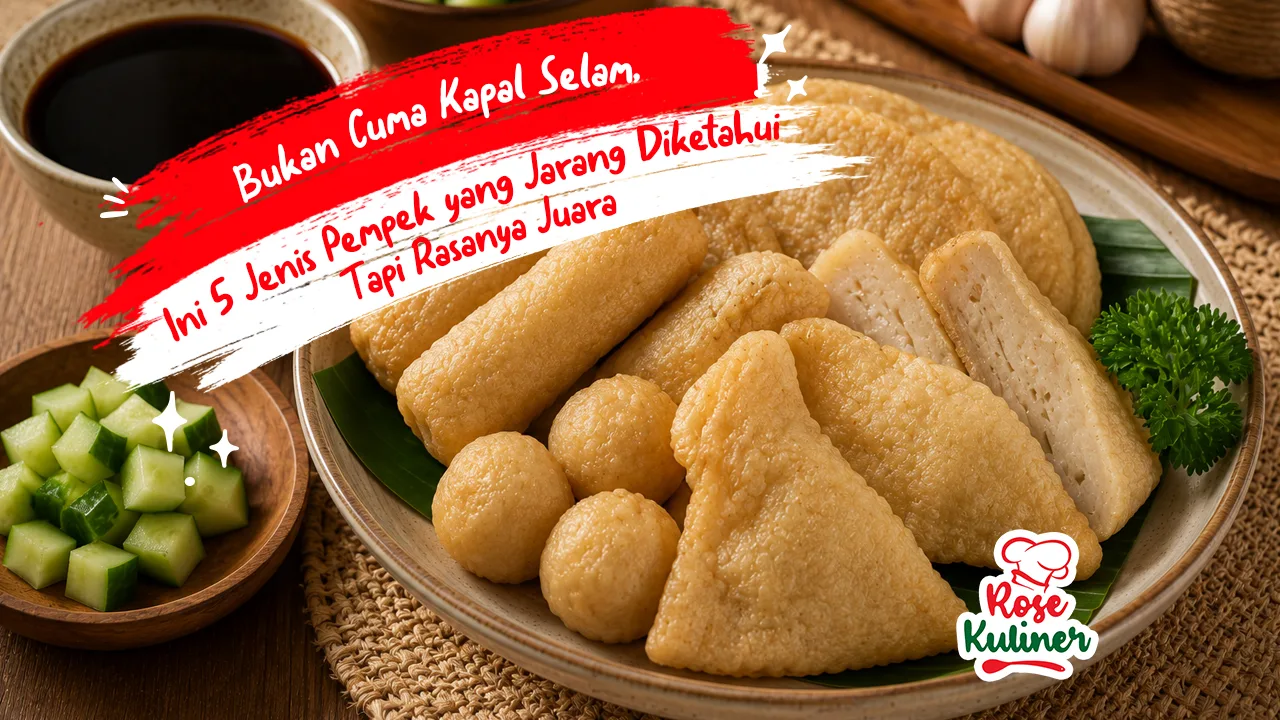
Not just a sub! It's a five-type prospect that is rarely known but it feels like a champion
The prospect is one of Palembang's typical culiners whose reputation has already expanded to various parts of Indonesia. His popularity didn't just survive in his hometown, but also robbed restaurants, restaurants, to five-foot merchants in many cities.
The quality of this food lies in a way that is constantly accompanied by Cuko and fresh cucumber pieces. A mixture of tapioca flour and fish in its dough produces a very distinctive flavor. It's no surprise that the prospect of being loved by many ages, from children to adults.
Speaking of pacemakers, a lot of people only know the submersibles as their main icon. They ask you about orphans.
To enrich culinary insights, here are five kinds of pylings other than submarines that are rarely available on the market, but have a sense of no special defeat.
Five kinds of Plates Beyond Unfamiliar Submarines
1. Pistel Plates
One variant that offers a unique taste is the pacemaker. It resembles an egg peck, but inside it contains a pajita of young prunes cooked with the sutan and dried shrimp. The scouting of dough fused with the aromatic filling makes this variant have a completely different flavor character.
2. Crispy Plates
The trends of skimming give birth to crispy pings, which are the ones that go through the frying process twice so the outside becomes extra crispy. Even though the skin is crispy, the inner texture remains soft and salty. Served with sweet cuko, crispy prospect being a favorite of children and love of the crunch sensation.
3. Frizzy Plates
This variant is easily recognized by its form that resembles a noodle ball. The manufacturing process is more challenging because it needs a trigger, which is a sieve-like tool with a handle on both sides. In addition to forming a curly peck, it's also used to smooth out fish on the dough of pylings or textures. The complexities of the making make this type not much for sale.
4. Adan Prospect
Often called round pacemaker, the makings of existence are made of basic dough which is given an extra sandwich and onion. Different from the kind of pylings that have to be boiled first, the range of existence can be fried instantly. The result is a peck with solid texture on the inside, crispy on the outside, and a typical onion scent. It's suitable to serve as a savory snack or an appetizer at a family event.
5. Tunu Plates
This one looks different because the cooking process is baked, not boiled and fried. Once cooked, the tunu pings are usually cut and fed with ebi, sweet sauce, and chili rawit mashed. A lot of Palembang people judge the tunu pillar as a "measurement" of one's ability to make pylings. Without oil help, the fishy scent of fish can be easier to smell if the processing process is inaccurate.
That's five variants of rare pylings but still offers an appetite. Maybe one of them could be your next favorite snack.
FAQ
1. What's the difference between existence and lenjer?
How to tell the difference can be seen from form. The lenjer prospect has long-shaped cylinders, while the pylings of its existence are perfectly round.
2. What's a cuko?
Cuko is a signature sauce made of jawa acid, sugar, garlic, and chili. It tastes sweet, it's sour, it's spicy, and it has a strong onion scent.
3. Why is the curd peck bitter?
The bitter taste usually comes out because of the sugar or the rice sugar used to burn while cooking, or because the cooking process was done too long with a big fire. Use good quality sugar, cook with medium fire, and stop warming after the sugar dissolves to keep the taste balanced.