
 ROSE BRAND
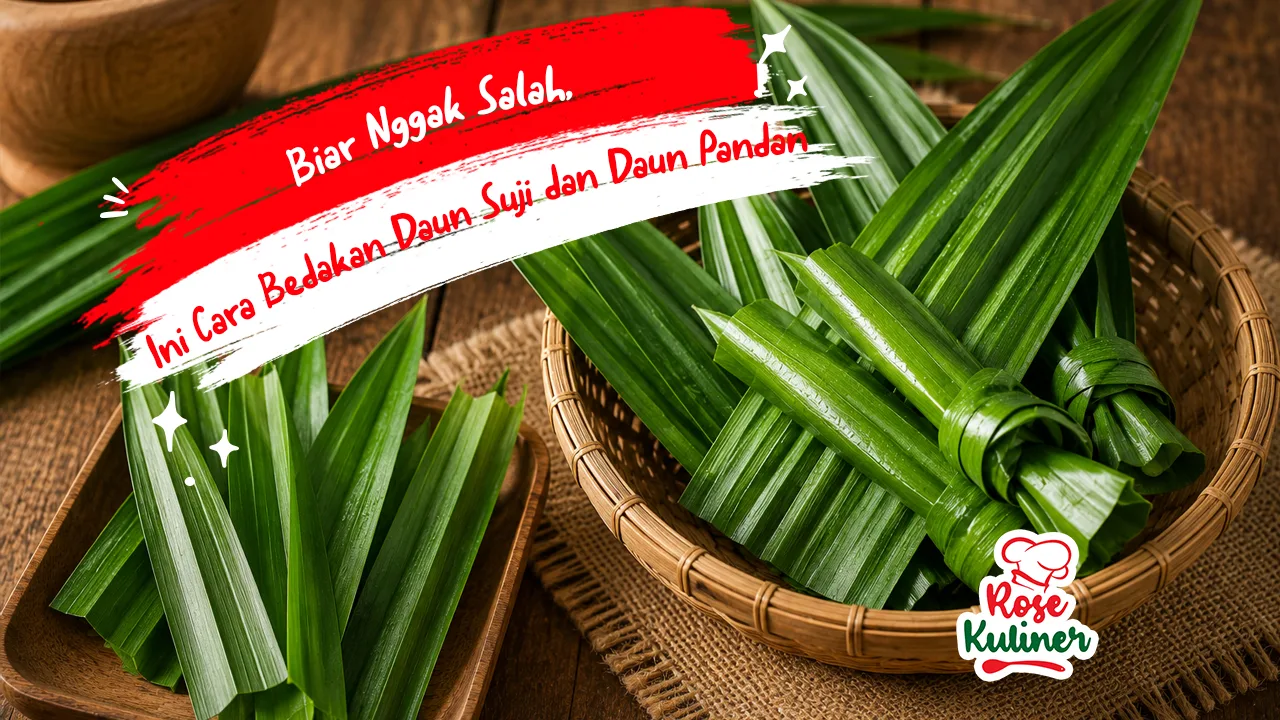
A lot of people still think that suji leaves and pandaans are the same plant. They both do, from a strong green to a typical scent. No wonder those two leaves are often switched, especially for those who rarely use them in cooking.
Though, panandan leaves and suji leaves have very different characteristics. The difference includes scents, flavors, shapes, colors, functions, to the kind of foods that fit mixed with each leaf. Look at the full explanation below!
The difference between Suji leaf and Pandan leaf
So that you don't misread the two, here's a full explanation that you can use as a guide.
1. Aroma and Taste
The aroma becomes the most easily recognizable separator. The leaves of the pandan are known for their fragrant fragrance, which is often used in their food. It's not very prominent, so it's more fragrant enhancer.
Different from pandan, the leaves of suji have a softer scent but still have its own character. If used excessive, the leaves of suji can provide a rather bitter taste. Therefore, its use needs to be adjusted to the needs of cuisine.
2. Leaf Forms
The next difference is in shape. Pandan leaves are generally long, lean, and sparrow at the end. The leaves grow clustered with a delicate texture when struck.
Instead, the leaves of the suji have shorter forms and slightly wider than the pandan. The texture tends to be rough, and the smaller size makes it easier to recognize when carefully observed.
3. Color
The green is the same, but the brightness level is different. It's usually light green or bright green that's not very dense.
Whereas the color of the suji leaf tends to be darker and deeper. This is the main reason why silk leaves are so popular as natural coloring in traditional foods, because they can produce more intense green.
4. Useful
In terms of utilization, these two leaves have different functions. Leaf of suji is used as a natural dye on traditional cakes such as klepon, ondeonde, to layered. The old green color produced makes food look more interesting and natural.
The pandan is better known as the scent-giver. There are many Nusantara dishes that taste less complete without pandaes, like rice rips, fat rice, pandan balls, to various traditional drinks. The combination of fragrant smells helps improve appetite.
By understanding the difference, you don't have to go shopping or cooking anymore. Leaf of suji and leaves of pandan are equally useful, only to match the recipe needs. You can tell both now, can't you? Make sure you don't get the wrong choice again.
FAQ
1. What color does a sugar leaf produce? The leaves produce a deep green because of the high chlorophyil content.
2. What kind of silk leaves? The leaves of suji (Dracaena angustifolia) have long-woven stripe shape with dark green and yellowy white flowers.
3. What kind of panandan shape? The leaves of pandan grow up like palm leaves, they're lined up in rivets, and they can reach about 60 centimeters. Some varieties have jagged leaf edges.