
 ROSE BRAND
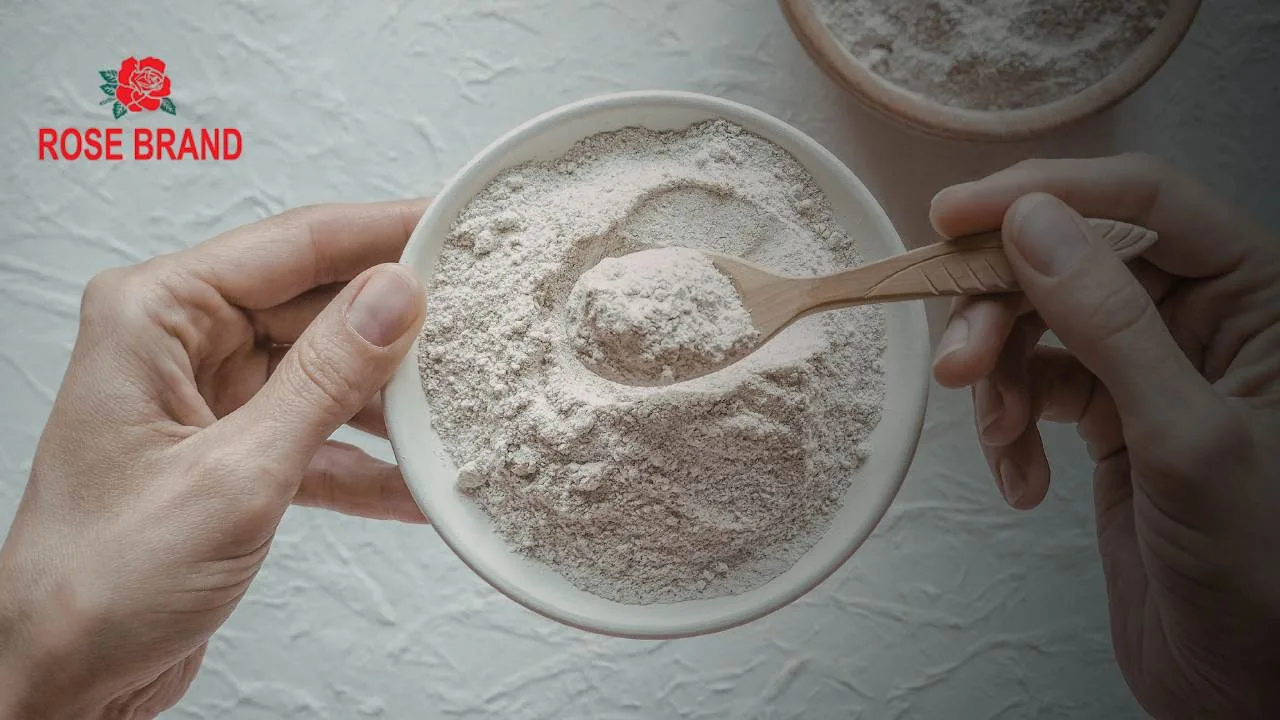
Food and Beverage Industries continues to evolve with its rigorous competition. Every detail in the production process has an important role in determining the end quality of the product, including the selection of raw materials. One of the ingredients that are almost always used in different kinds of culinary businesses is flour.
Error selecting type and quality of flour can directly affect texture, taste, to product consistency. Therefore, understanding how to choose the right product of flour is no longer an option, but the need for the user of the F & B business, both the UMKM scale and the big industry.
Read too: Rose BrandIndonesia's Rice Fodder Factory for Domestic and International Market · Global Voices
Why is Floating Product Selection Determines the F& B Quality
Raw flour is used in different kinds of foods, from bread, cake, noodles, fritters, to traditional foods. Each product requires a different type of flour character.
That's why business workers need to understand basic principles before making choices. Here are five important things that need to be noticed when choosing flour.
1. Understanding Float Type As Product Required
The first step in the Feast Choice Way is to recognize the type of flour that matches the product to be made.
Each flour has a unique characteristic that affects the end result of food. Flour of flour, for example, has different proteins content, whereas flour-based flour is like rice flour, tapioca, or sticky has a special function in texture.
Bread products require elasticity, while traditional cakes prefer tenderness. Therefore, the selection of flour should be adjusted to the concept of menus, not just the price or the popular brand.
2. Pay attention to the quality and consistency of Floating Product
The quality of flour is not only judged by display, but also by the consistency of its performance when used in production.
Good flour products generally have clean colors, fine textures, and neutral aroma. Change in color or smell can be a less optimal indication of storage.
The quality consistency is very important for the F & B business. Good flour at the beginning but changing quality on the next delivery can interfere with the product standard. This is why choosing reliable producers or distributors is an important part of the selection process.
3. Adjust Float Product with Scale and Production System
Each F & B business has a different production need, so the selection of flour has to consider the scale of the effort.
Small businesses tend to require flexibility in purchases. The flour products with economic packaging and easily stored are usually more suitable for this segment.
The large-scale F & B industry requires a steady supply of flour and uniform. A product of consistent quality will help maintain efficiency and suppress the risk of downtime production.
4. Ensuring Product Security Food and Legality
Food security aspect is often ignored, but it determines consumer trust and sustainability.
Good flour products generally have official certification such as halal permissions (https: / / bjph.lea.go.id / detailed / certification) and food security standards. This document shows that the product has gone through a quality surveillance process.
Label that includes composition, expiration date, and storage instructions to be the producer's professional indicator. This transparency is essential in maintaining the quality of the end product.
5. Consider the Price and Efficiency of Long Cost
The price is often the main factor in the purchase decision, but it shouldn't be the only consideration.
The flour at a cheap price isn't necessarily profitable if it causes a production failure or the product quality to decline. Instead, stable quality flour can reduce the cost of corrections and complaints of customers.
The right selection of flour products helps maintain the efficiency of using raw materials. It affects direct margins of profit and continued efforts in the long run.
Practical Product Choice Strategy for Business F & B
After understanding the five major aspects, there are some practical strategies that the entrepreneurs can apply.
1. Perform Product Test
A small-scale test helped assess the performance of flour before it was used en masse. It's effective to minimize the risk of loss.
2. Compare some brand or Producer
The comparison of quality, price, and services will provide an objective image before determining final choice.
3. Connecting with a trusted supplier
Long-term relationships with suppliers can give profit as a more stable price and a priority of stock availability.
Read too: Rose BrandThe best rice flour producer in Indonesia
Conclusion
The selection of flour products is not just a kitchen business, but a strategic decision in the F & B. business by understanding the type of flour, technical specs, quality, food security, and price compatibility, entrepreneurs can produce consistent and competitive products.
Containing the Overall Choosing Product will help business survive competition, improve production efficiency, and build consumer confidence in the long run.
For more information on products or possible cooperation, please contact the team Rose Brand via the following official page: